Sliding door repair
Why Is My Sliding Glass Door Hard to Open?
Heavy, grinding or uneven movement can come from several parts. Here is how to distinguish roller wear, track problems and alignment issues.
By Universal Sliding Door Window & Glass
· 3 min read
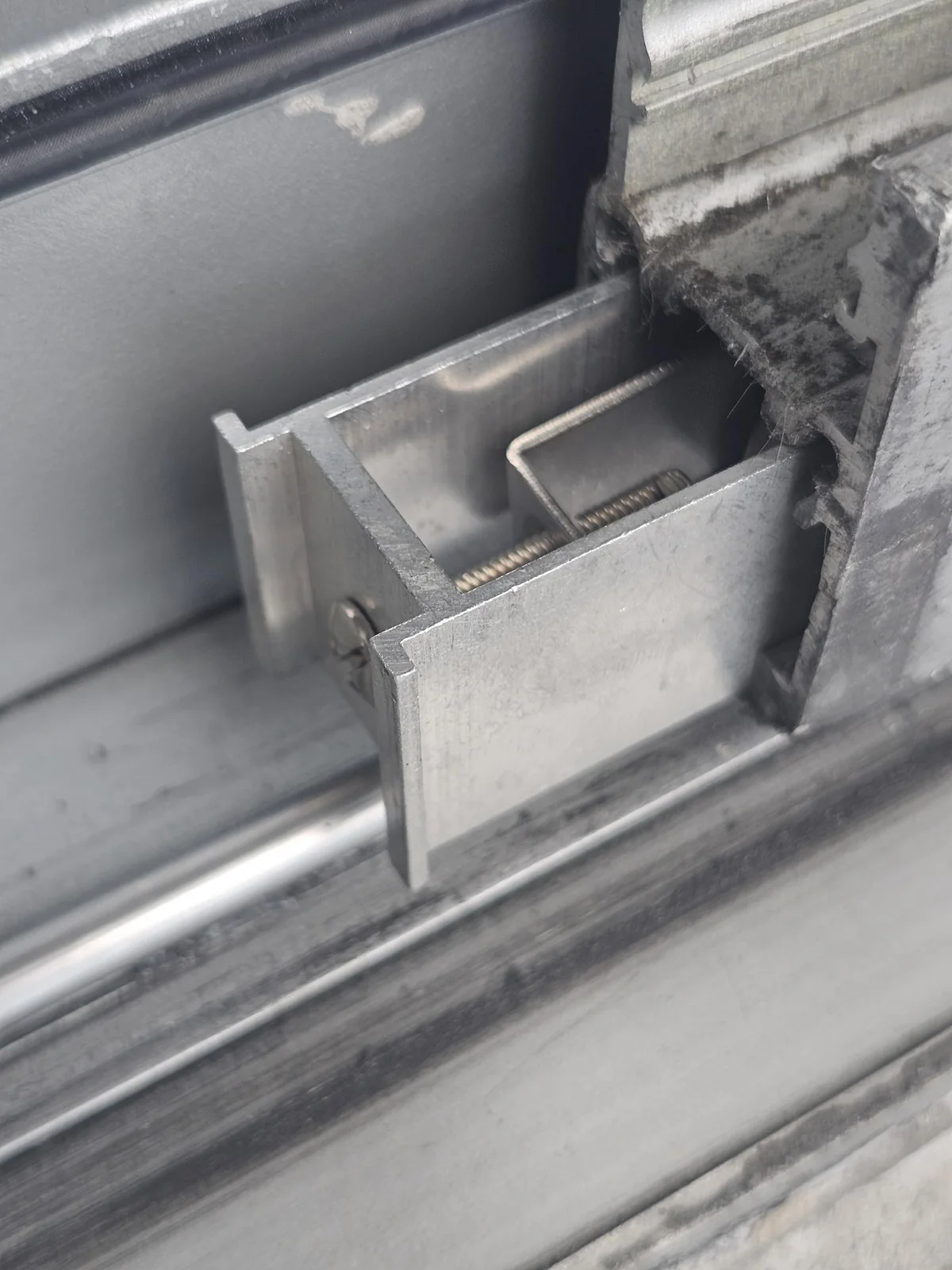
Start with what the door is doing
A sliding glass door should move without a hard shove. If yours has become difficult to open, note whether it drags throughout its travel, catches at one spot or moves normally until it reaches the lock. Those details help narrow down the repair before parts are ordered.
For homes and condos in North Miami Beach, Hallandale Beach, Aventura and Fort Lauderdale, the goal is the same: restore smooth movement and reliable closing while keeping a serviceable door in use. Difficulty opening does not automatically mean the entire door needs replacement.
- Grinding along most of the opening can point to worn rollers or a rough running surface.
- A repeatable bump in one location can indicate debris or localized track damage.
- A panel that rolls but will not latch may need alignment or locking hardware attention.
When roller replacement makes sense
Roller assemblies support the moving panel at the bottom of the door. Worn wheels, damaged housings or seized bearings can increase resistance. Raising the panel with an adjustment screw will not repair a damaged wheel, although adjustment may help when sound rollers are simply set incorrectly.
Replacement assemblies must match the door, including their mounting style, dimensions and load capacity. Regular and impact doors both use operating hardware, but their parts are not interchangeable just because the wheels look similar. A heavier panel also requires careful handling during service.
Check the track before fitting new rollers
New rollers still have to run on the existing rail. A deeply worn, flattened or damaged track can keep a door rough even after its wheels are replaced. Cleaning, repairing the rail, installing a compatible snap track cap or replacing the track are different options with different purposes.
A track cap needs a suitable base and enough clearance for the panel. It should not be used to hide a loose sill, drainage problem or badly distorted frame. Matching the repair to the rail condition avoids replacing one component while leaving the cause of the problem behind.
Finish with alignment, handles and locks
Once the panel moves correctly, its closing edge should meet the frame evenly. Roller height and panel alignment affect where the latch meets its keeper. A loose handle, worn mortise lock or damaged keeper may also need a separate repair.
Do not force the handle to pull a misaligned panel into position. During the service call, mention whether you have to lift the door to lock it, whether the handle moves loosely and whether the panel rubs at the top or bottom. These are useful clues for both regular and impact sliding doors.
What you can do before calling
If the glass and panel are intact, remove loose surface debris from the accessible track without dismantling the door. Follow the door manufacturer’s cleaning and lubrication guidance; avoid applying a general-purpose product simply because the panel feels stiff. Stop operating a panel that is unstable or has damaged glass.
When you call Universal, describe the symptoms and your city. Have the manufacturer name or label details ready if you can read them safely. Condo residents should also check access and scheduling requirements with building management. Call for a free estimate on roller, track, handle, lock or alignment repairs.
Related local service
Sliding Glass Door RepairManufacturer resources
These resources explain specific products. Use the instructions for your actual door or window; mentioning a manufacturer does not imply an affiliation.